


Everybody in the #retailfam knows that to win at retail and e-commerce, staying ahead of the game is essential. Identifying and acting on micro trends can make a significant difference in a brand’s success. Let’s explore the importance of leveraging micro trends, the risks of acting on the wrong ones, and the role of AI-powered retail merchandise planning software in staying competitive.
The retail industry is experiencing significant transformation due to changing consumer behavior, demographics, and technological advancements. To stay competitive, retailers need to focus on delivering a seamless omnichannel experience, harnessing data and analytics, and reimagining the store experience. However, macro trends only scratch the surface of the industry’s complexities. Micro trends are smaller trends that may impact certain niches or product categories, offering retailers an opportunity to stand out in a crowded market.
The Transforming Retail Landscape: An Overview of Macro and Micro Trends
The benefits of leveraging micro trends are clear. Identifying and acting on emerging micro trends can help retailers differentiate themselves from competitors, increase customer engagement and loyalty, and boost sales. Micro trends can also help retailers avoid the pitfalls of relying solely on macro trends that can lead to homogeneity and lack of innovation.
The Benefits of Leveraging Micro Trends: Differentiation, Engagement, and Sales
However, it’s crucial to research and evaluate micro trends before incorporating them into the product assortment. Acting on the wrong micro trend can be costly, damaging a brand’s reputation, and leading to lost sales. Developing products based on a micro trend that doesn’t resonate with customers can also lead to excess inventory and lost sales. Therefore, it’s essential to evaluate micro trends carefully and ensure that there is a market for the products before investing resources in their development.
The Risks of Acting on the Wrong Micro Trends: Damage to Brand Reputation and Lost Sales
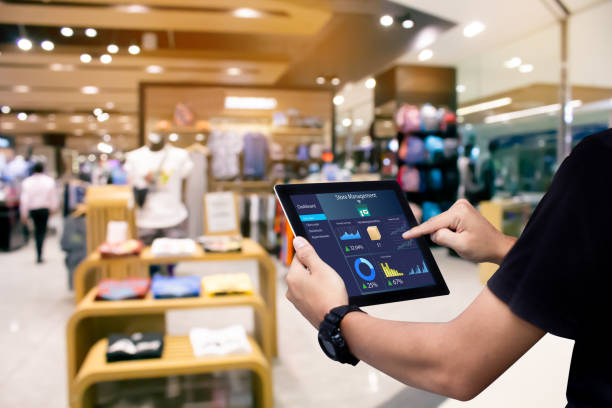
Identifying micro trends can be challenging, but staying on top of industry publications, blogs, and social media can help. Analyzing sales data and customer behavior patterns can also help identify emerging micro trends. By using AI-powered retail merchandise planning software, retailers can optimize inventory by identifying emerging micro trends and responding to customer needs in real-time.
How to Identify Micro Trends: Research, Data, and AI-powered Retail Merchandise Planning Software
Generative AI is a type of AI that uses machine learning algorithms to analyze vast amounts of data and identify patterns that may not be apparent to humans. This technology can help identify emerging micro trends, providing retailers with a competitive edge. ChatGPT is a Generative AI tool that can analyze customer feedback and conversations to identify emerging micro trends and respond to customer needs in real-time.
The Role of AI-powered Retail Merchandise Planning Software: Generative AI and ChatGPT
Leveraging micro trends and optimizing inventory can help retailers stay ahead of the competition by creating a more efficient and profitable business model that meets the needs of today’s consumers. By having the right products in stock at the right time, retailers can create a more personalized and targeted shopping experience that resonates with customers and drives sales.
Optimizing Inventory with Micro Trends
By optimizing inventory based on emerging micro trends, retailers can ensure that they have the right products in stock to meet customer demand. This approach can help avoid stockouts and overstocking, leading to lost sales and excess inventory costs. Leveraging micro trends can help retailers optimize their inventory by identifying untapped markets and targeting specific groups of customers with products that meet their unique needs. This approach can help retailers avoid the pitfalls of relying solely on macro trends and create a more efficient and profitable business model.
By analyzing sales data, Social Media signals and customer behavior patterns, retailers can make informed decisions about inventory levels, avoiding overstocking and reducing excess inventory costs, such as markdowns and clearance sales, that can reduce profit margins. Using AI-powered retail merchandise planning software can help retailers optimize inventory by identifying emerging micro trends and responding to customer needs in real-time. This approach can create a more personalized and targeted shopping experience that resonates with customers and drives sales, reducing excess inventory costs.
TL:DR – leveraging micro trends and optimizing inventory can help retailers stay ahead of the competition by creating a more efficient and profitable business model that meets the needs of today’s consumers. By having the right products in stock at the right time, retailers can create a more personalized and targeted shopping experience that resonates with customers and drives sales. Retailers can use data, analytics, and AI-powered retail merchandise planning software to identify emerging micro trends, optimize inventory levels, and reduce the risk of excess inventory costs and lost sales. By staying on top of industry trends and using the latest technologies, retailers can thrive in an ever-changing retail landscape.








2 Comments
[…] Trends: E-commerce trends evolve at lightning speed. Merchandise planning software equipped with predictive AI and Generative AI allows retailers to anticipate and adapt to changing consumer preferences, […]
[…] Iterate and Evolve: Continuously analyze customer data, evaluate segmentation results, and refine the segmentation approach over time to adapt to changing customer behaviors and market trends. […]